

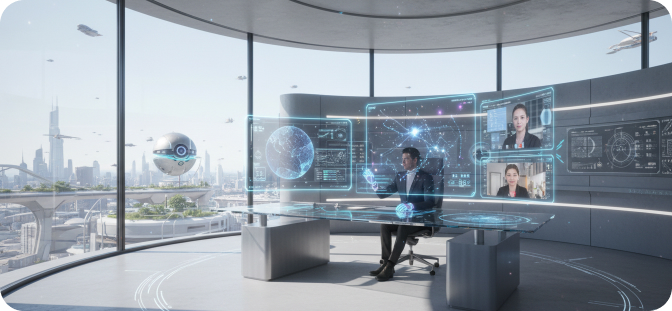
Introduction to the Immersive Office
Remote work is no longer just about Slack channels and Zoom calls. It's about presence. In this guide, we'll explore how Zyra is bridging the gap between physical reality and digital collaboration.
Why physical presence matters
Research shows that "passive serendipity"—the ability to see a coworker and start a casual conversation—is the primary driver of innovation in modern tech companies.
Key Strategies for Managers
- Set clear expectations for 'presence' hours
- Create virtual water-cooler spaces
- Use spatial audio to mimic office acoustics
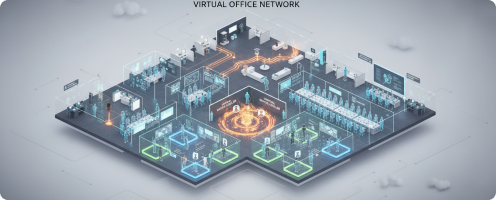
Building a Culture of Belonging
Fostering connection and psychological safety
Hybrid and remote teams need intentional rituals to replace the hallway conversations and shared context that physical offices provide. By prioritizing psychological safety, inclusive language, and consistent feedback loops, teams can build trust and belonging across distance.
Technology & Tools for Hybrid Work
- Video conferencing with high-quality spatial audio
- Async communication platforms for documentation and decisions
- Project management tools that support flexible workflows
Measuring Productivity in the New Era
From hours to outcomes
In hybrid environments, time spent at a desk is no longer a reliable proxy for contribution. Managers should shift toward outcomes-based measurement: clear goals, measurable milestones, and regular feedback on quality and impact.
Mental Health & Work-Life Balance
- Support employee wellbeing with flexible schedules and resources
- Prevent burnout by setting clear boundaries and off-hours expectations
- Encourage intentional disconnection and digital-free time
The Future of the Immersive Office
Trends in spatial computing and VR workspaces
Over the next 5–10 years, offices will blend physical and virtual environments. Spatial computing, VR workspaces, and mixed-reality collaboration tools will redefine what it means to "go to work." Expect more immersive, flexible, and human-centered spaces that support both deep work and serendipitous connection.